This is my first Wednesday Photo 101 blog post. Now, I know some of the stuff I post about photography may seem like easy concepts, or something everyone should already know. But the reality is, just as I don't know the complete basics about painting or knitting (nor any really even though I love doing both!), not everyone knows basic photography concepts, especially when dealing with manual use of SLR cameras.
So, I'm beginning with the main basics, one of which is shutter speed. Shutter speed refers to how much light your camera is letting into the frame; how long it takes your shutter to click shut between when you press your capture button and when it actually closes. Think of it as your capture time.
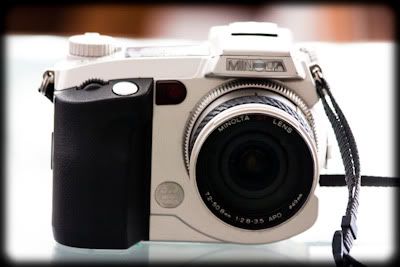
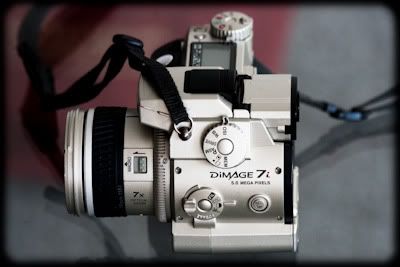
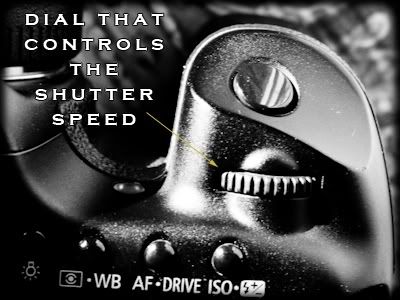
The shutter speed on your SLR camera can be controlled with the shutter speed dial (see image below), usually located on the top right of your camera. And will be displayed in increments such as: 1/800, 1/600, 1/400, 1/250, 1/200, 1/125, 1/60, 1/15, 1/10, 1, 2, 4, 8, 15, 20, 30. Whole numbers refer to complete seconds, while fractions are based off of one second, so a capture time of "1/15" is one-fifteenth of a second.
The less the light you have (the darker it is), the more light you'll need, so you'll want to have a slower shutter speed so you capture light for a longer period of time.
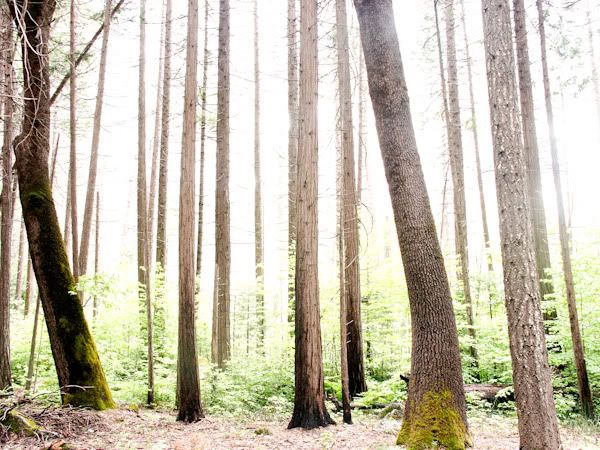
The more light you have in your surroundings (the sunnier it is) the less light you'll need to let in for the frame to come out well exposed. Therefore, you will want a faster capture time so less light comes into your frame.
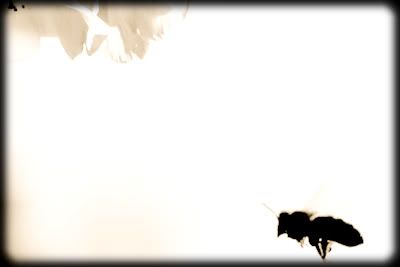
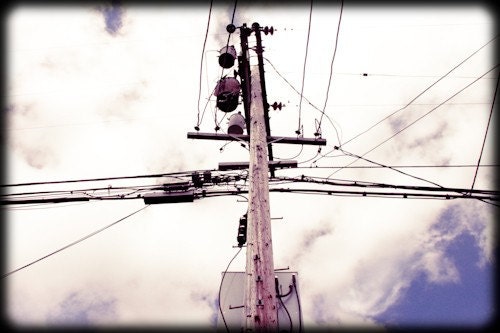
(A fast shutter speed helped still-frame the bee in mid-flight (top) and to minimize the amount of light in my electricity pole photography midday (bottom).)
For a shutter speed of one second or more you will most likely require a tripod since any movement made during a long capture time will distort the image. With a tripod, a slow shutter speed can come in handy if you're trying to create movement in your image.
When you slide the shutter speed dial past the slowest increment your camera will say BULB. The BULB setting means that your camera will capture light for as long as you are pressing down your capture button.
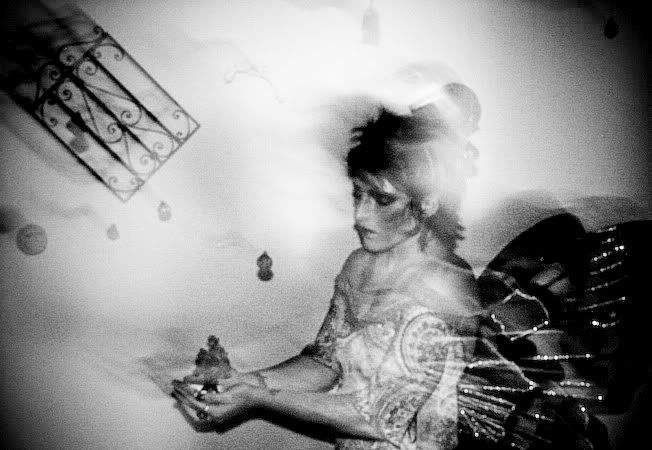
While a fast shutter speed can help capture great still-frame moments, slower shutter speeds can be great because they're they create movement.
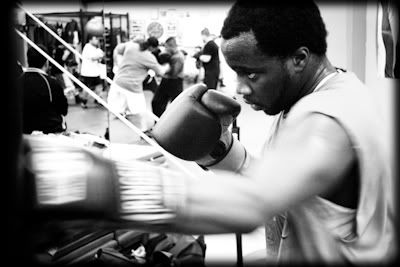

(Movement, which can be achieved with a slower shutter speed can be great in sports photographs (top), and night photography that captures lights (bottom).)
To learn a few basic shutter speed techniques click HERE.